


Pop culture is the most influential compass in our everyday vocabulary. Terms and phrases that emerge from movies, TV, music, technology, and social trends- TikTok or YouTube provide new definitions and usage of our language, doing the work that advertising once did alone. English has always borrowed and bent, but the speed at which today's slang appears, spreads and disappears is unlike anything seen before in the most creative ways.
Today, internet-driven words dominate classrooms nationwide. Take a look at the most influential pop culture vocabulary of recent years; anyone learning English, especially those from the younger generation, might be interested in learning them.
| Term | Generation | Meaning |
|---|---|---|
| YOLO | Millennial | “You only live once”, used to justify a bold or impulsive choice |
| Bae | Millennial | A term of endearment for a partner or someone dear |
| Bare | Millennial | A lot or loads of something |
| Fit | Millennial | Physically attractive |
| Rizz | Gen Z | Charisma or skill at flirting |
| No cap | Gen Z | Used to stress that something is true or not a lie |
| The ick | Gen Z | A sudden feeling of being put off by someone |
| Slay | Gen Z | To do something impressively well |
| Skibidi | Gen Alpha | A nonsense word used for emphasis or humour |
| Sigma | Gen Alpha | An independent, unbothered person |
| Cooked | Gen Alpha | Exhausted, doomed or in serious trouble |
| Aura | Gen Alpha | A person’s social vibe, ga |


Evolution of Pop Culture Vocabulary
Historical Context and Development
Long before hashtags, British pop culture vocabulary evolved when jazz reached Britain in the 1920s, bringing more than a new sound. Terms like "gig", "jam", and "swing" were lifted straight from musicians' slang and slipped into everyday British speech through radio broadcasts; people still describe "a gig tonight" without a thought for its jazz-club origins.
BBC's early jazz programming used the genre deliberately to help build a shared national listening culture, arguably one of the first times British mass media, rather than the street or the stage, did the heavy lifting of spreading a slang nationwide.
Oxford biologist Richard Dawkins coined the now worldwide-used term "meme" in his 1976 book The Selfish Gene, describing any unit of culture (a tune, a phrase, a fashion) that copies itself from mind to mind. Today, memes have evolved into one of the internet’s favourite forms of communication, and his concept became the standard term for the images and in-jokes now spreading across internet timelines.
Some decades ago, we were talking about words like "mint" instead of "fire" or "peng," "wazzock" instead of today's harsher put-downs, or "naff" where you'd now hear "cringe", how did we get there?
Impact of Media and Technology
Youth slang has always been in constant movement in the UK. It was especially with the arrival of reality TV at the end of the 90s that street language mixed even more with the mainstream, making terms like "reem", so popularised by the reality show TOWIE, that there was a petition to include it in the Collins Dictionary. Other terms like "the ick", "grafting", and "buzzin'" have acquired similar popularity through a similar channel: the seemingly unstoppable UK reality TV.
Media and language keep feeding each other constantly, and as technology advances, our vocabulary evolves to help us adapt to new ways of interacting with words, changing and adding new connotations to coined terms such as "Reboot".
Today, this word, usually used to refer to the action of restarting a device or system, has entrenched itself in popular culture with another signification: it refers to the renewal of a cultural product such as a film or TV series.
Generally, a reboot is when movies or TV shows are renewed with different actors and a different direction, while often revisiting the same parts of the story, and also important is to mention that, a reboot is not to be confused with a “revival”, where a TV show or movie is brought back after some time, but the events of the original are still considered to have happened.
Pop Culture Vocabulary by Generation
Millennial Slang
Millennials grew up during the rise of the internet, social media and 24/7 entertainment. If not native, a lot of them grew up learning English through social media, starting by memorising every word of slang. Their vocabulary is rooted in early online forums, meme culture and evolving lifestyle trends. Many of these terms gained popularity through TV shows, YouTube and the first waves of viral content.
Refers to doing grown-up tasks like paying bills or making appointments; popularised in blogs and early social media. The term is often used humorously to describe mundane responsibilities. It reflects the delayed milestones common among Millennials (like moving out or home ownership). Many use it to express pride in managing responsibilities that once seemed daunting.
The term “bae” is generally used to refer to somebody's boyfriend, girlfriend, or partner. It's essentially a shortened form of “baby” or “babe”, which is also used as a term of endearment. Some sources suggest that it's an acronym, BAE standing for “before anyone else”, but there's little evidence to support this claim. Not one of the newest terms, “bae” has likely been used for over 20 years, but is still quite commonly used.
BFF is an acronym that stands for “best friend(s) forever” and is an alternative for “best friend”. It's believed the term was originally used in the 1980s, popularised in the 1990s, and is still used today. A great resource for learning is YouTube! It is a platform full of diverse educational videos in English and available to all.

This generation helped shape how informal language is used online and in everyday conversation. Millennials grew up between MSN Messenger and the first wave of reality TV, so their slang tends to be cheekier and more UK-rooted than the internet-native terms that followed.
Originally used to describe secondhand embarrassment, especially for awkward online content. "Cringe" content often goes viral for how uncomfortable or outdated it appears. It's commonly used to judge tone-deaf posts or attempts to be trendy. The opposite of cringe in Gen Z slang is sometimes referred to as “based” or “unbothered”.
The term “fail” as a verb has existed in the English language for centuries, but the usage of “fail” as a noun (rather than the more traditional noun form “failure”) is quite modern. The term “fail” as a noun in the modern sense is often and famously paired with the adjective “epic”.
A blend of “friend” and “enemy,” referring to someone who pretends to be a friend but acts like a rival. Frenemies often appear supportive while secretly undermining others. This term became especially popular through reality TV and teen dramas. Navigating frenemies is a common theme in school and workplace social dynamics.
While the word "goat" obviously refers to the animal, in sports, the acronym GOAT stands for the "greatest of all time", but is pronounced exactly the same as the animal. You'll see this term being used in sporting communities and in endless debates surrounding players in almost every sport.
The term mashup tends to refer to the combining of different things. In music, it refers to two tracks or songs being combined to create something new.
Commonly seen in “#ThrowbackThursday” posts, referencing nostalgia or past memories. It often includes old photos, music or stories shared on social media. The term evokes a sense of longing for simpler or more joyful times. Throwbacks are a core part of social media culture for sharing personal history.
YOLO is an acronym for “you only live once” and while it was hugely popular around a decade ago, it's not a term that we hear as often as in its heyday. Generally, YOLO is used to suggest that the speaker is doing something enjoyable that might be unwise or even dangerous.
Millenial Vocabulary: Pop Language Examples
| Millennial Slang | Example |
|---|---|
| Adulting | I hate adulting — why is laundry never-ending? |
| Bae | Going to the beach with bae this weekend! |
| BFF | Me and my BFF I have known each other since kindergarten. |
| Cringe | That awkward dance video was so cringe I couldn’t even finish it. |
| Fail | He tripped on stage — epic fail! |
| Frenemy | She compliments you and then talks behind your back — classic frenemy. |
| Friendzone | I asked her out, but she said I’m like a brother. Friendzoned again. |
| GOAT | LeBron James might just be the GOAT. |
| Mashup | That DJ made a mashup of Queen and Kanye that totally worked. |
| Throwback | Throwback to our 2010 beach trip — what a summer! |
| YOLO | I booked the trip to Thailand — YOLO! |
A special one for the millennial generation, we can talk about "Friendzone"; this concept describes a situation where one person wants a romantic relationship, and the other does not, keeping it platonic. It's often used in dating conversations to describe unreciprocated feelings. Some criticise the term for implying entitlement to romance after friendship. Despite this, it's still widely used in casual conversations and memes. Here is a scene from the show Friends showcasing the term "friendzone" on YouTube (one of the greatest resources for learning English).
Gen Z Slang
Born between 1997 and 2012, Gen Z is the first generation to grow up entirely in the digital age, where trends emerge and fade at lightning speed. Their slang is driven by TikTok, gaming culture and hyper-connected online communities. These terms often carry humour, irony or commentary. They reflect Gen Z's creative, expressive and communication style. Understanding their vocabulary means understanding how they shape and reflect modern pop culture.
Both the noun and verb "facepalm" refer to the action of putting one's palm onto one's face in reaction to embarrassment, shock, awkwardness, etc. It can refer to the reaction to one's own actions or the reaction to something somebody witnesses.
Acronyms are popular in pop culture vocabulary, and FOMO is no exception. It stands for "fear of missing out" and is used as a noun. In common usage, the term is something that the user suffers from or experiences.
The term ghosting refers to a behaviour whereby a person stops contacting another person without any seemingly obvious reason. The term is often used in the world of dating (both online and offline), but can also refer to non-romantic relationships. There are also the terms "simmering" and "icing" to refer to the same thing.
Means “no lie” or “I’m being serious”; often used to emphasise honesty or realness. Often used at the end of statements to show authenticity or emotional truth. The opposite of “no cap” is “cap,” which means a lie or exaggeration. It’s especially popular on TikTok, Twitter, and in gaming communities.
Refers to someone acting robotically or without individuality, like a non-playable character in a video game. Calling someone an NPC implies they follow trends blindly or lack self-awareness. This term is often used humorously or mockingly in online commentary. It's part of a broader meme culture that blends gaming language with social critique.
In informal speech, the expression “on point” generally means good, attractive, or stylish, especially when referring to clothing, fashion, and styles.
Short for charisma; often used to describe someone’s flirting skills or charm. Someone with “unspoken rizz” can attract others effortlessly without trying. The term is heavily used in TikTok culture and Gen Z dating lingo. "Rizz" has become a compliment for natural charm, especially in social situations.
The English language has a long relationship with using sensory terms for emotions. The idea of "sweet", "bitter", and "sour" has been used for quite some time, but this usage of "salty" is a more recent development. In modern usage, the term "salty" refers to somebody being jealous, cold, bitter, or passive-aggressive. In video games, it often refers to a sore loser who exhibits the same traits.
The term "to slap" initially referred to hitting something with the palm of your hand or the sound made by such an action. In modern popular culture, something is said to slap if it's very good, particularly songs and music, but it can also be used for other things.
The term slay originally meant to kill violently or to greatly amuse someone. In more modern popular culture, particularly LGBT+ and black female culture, the term refers to doing something excellently, with style, or with confidence, especially when challenging or against prejudice. A person can “slay” but the term can also be used in isolation as an exclamation.
The term “stan” is used both as a noun and a verb in English to refer to a zealous fan or supporter of somebody, usually a celebrity. The verb “to stan” means to be supportive of said person or group. The term originated from the 2000 Eminem song “Stan” which talks about an obsessive fan of the artist whose fandom takes him to excessive lengths. In contemporary usage, the term isn't as dark as the song.
“Yas”, “Yasss”, and other spellings are an affirmation that comes from “yes”. The term is often used in the LGBT+ community and paired with the term “queen”. The terms “yassify” and “yassification” refer to the process of making something more LGBT+ adjacent or adding too many beauty filters to photos.
Gen Z Essential Vocabulary
| Gen Z Vocabulary | Example |
|---|---|
| Facepalm | He asked what day Christmas is. Facepalm. |
| FOMO | Everyone’s at the party, and I’m stuck working — FOMO is real. |
| Ghosting | We went on two great dates, then she ghosted me. |
| No cap | That movie was the best I’ve seen this year, no cap. |
| NPC | He repeats everything he hears online — total NPC energy. |
| On point | Her makeup is on point today! |
| Rizz | He’s got crazy rizz — every girl at the party was into him. |
| Salty | He got salty when I beat him in Mario Kart. |
| Slap | That new Kendrick track slaps! |
| Slay | You slayed that presentation — well done! |
| Stan | I totally stan Beyoncé — she can do no wrong. |
| Yas | Yas queen! You crushed it! |
Gen Alpha Slang
Born 2010 onwards, Gen Alpha's slang skews closer to memes and YouTube than to music or telly, and it's spreading through primary schools at record speed.
Gen Alpha Vocabulary - Pop Culture Phrases
| Gen Alpha Slang | Origin and examples |
|---|---|
| Skibidi | From the viral YouTube series Skibidi Toilet. Examples: Skibidi toilet, mate, have you seen it? / This lesson feels like actual skibidi. |
| Sigma | Independent, unbothered person. Examples: I don't care what they say, I'm a sigma. / He's being dead sigma today. |
| Cooked | Exhausted or doomed. Examples: Sir, my brain is cooked after that maths test. / We are so cooked for this exam. |
| Aura | Points awarded/lost for social "vibe". Examples: He's got a chill aura, innit. / She lost aura points for that comment. |
| Brainrot | Used to describe absurd or repetitive content while you can't stop scrolling. Examples: This video is total brainrot, but I can't stop scrolling. |
Categories of Pop Culture Vocabulary
Social Media and Internet Terms
Over the past 15 years, social media has injected a vast number of terms into our everyday speech by instantly blending hundreds of messages and conversations, and not just among people from the same country. The most used vocabulary today emerged from these platforms:
- Meme: these humorous images and videos turned into in-jokes are a universal form of language. Shared online with enormous velocity, can be reworked thousands of times before they fade.
- Influencer: somehow the heirs of the blogger era, today, there are macro, medium and even micro influencers. They're someone whose online presence shapes the opinion of a certain base of followers, influencing what they buy or believe.
- Hashtag: platforms like 'X' and Instagram have spread this word since its creation. A hashtag is a word or phrase preceded by the symbol "#", used to group posts on a topic across social media platforms; brands and companies use it to track any form of advertisement and social conversation—still, one of the simplest ways to ride on a trend or joke.
- Troll: in internet culture, the verb "to troll" refers to the action of purposefully antagonising users on social media and online through inflammatory comments and behaviours. A person who engages in such behaviours is also referred to as a "troll".
- Clickbait: content with little substance that aims to get people to click under largely false pretences. Clickbait usually relies on exaggeration or even lies to get users to visit a page or site, while the content is ultimately misleading or underwhelming.
Entertainment and Media Terms
A brief, often surprise appearance by a celebrity or well-known personality in a film or video. Directly related to "easter eggs", the "hidden clues" in video media content, usually made by cameos, or through phrases and leading to a surprise fact only recognisable by fans.
In the past, a spoiler would refer to a part of a plane or a car that redirects air, but in popular culture, it refers to information or knowledge that would ruin the experience for a person experiencing media such as TV shows, movies, books, and even video games. In many cases, a spoiler is the revelation of key information about the plot so another person can't fully enjoy the experience the first time they watch or listen.
One of the most talked-about British examples remains Ed Sheeran turning up as a singing Lannister soldier in Game of Thrones' Season 7 in 2017, a true cameo, arranged specifically to surprise fan and protagonist, Maisie Williams.
Fashion and Lifestyle Terms
- 🎀 Chic: used to say something is stylish and fashionable, in a way that looks effortless.
- 👗 Sustainable: products made with reduced environmental harm. From clothes to furniture, it is related to a collective awareness about taking care of the environment.
- 🏃🏻♀️ Athleisure: casual, comfortable clothing designed for both exercise and everyday wear rather than strictly for exercise; leggings as daywear.
The Role of Pop Culture Vocabulary in Language Evolution
Influence on Everyday Communication
The influence of social networks such as TikTok is undeniable today. The English linguistic landscape keeps shifting as a consequence. It's proof that pop culture and language change are blended into one big conversation; terms like "reem" or "brainrot" dominate and spread through various age groups in record time. Social media is where we talk, one viral clip at a time.
As conversations start now online, Cambridge, the Collins Dictionary and Dictionary.com each name a "word of the year" from data on lookups. Here are eight terms that 2025–2026 coverage flags as some of the most common social-media-driven slang in English right now.
In the UK, in 2025, Sir Keir Starmer, the former PM, had to apologise to a headteacher after joining pupils in the viral "6-7" hand gesture during a school visit in Peterborough, only to be told the phrase was banned in that classroom.
Linguistic Adaptation and Change
Youth language isn't sloppy shorthand but a genuine, structured system that reorganises itself with every generation. We may think now of "delulu" as playground chatter. Still, it's measurable social change; it is now the first shackle in the big chain of language evolution: "Teen language is one of the most creative forms of talk and a key source of what is coming in the future of English", said author Sali Tagliamonte in her book Teen Talk, released in 2016.
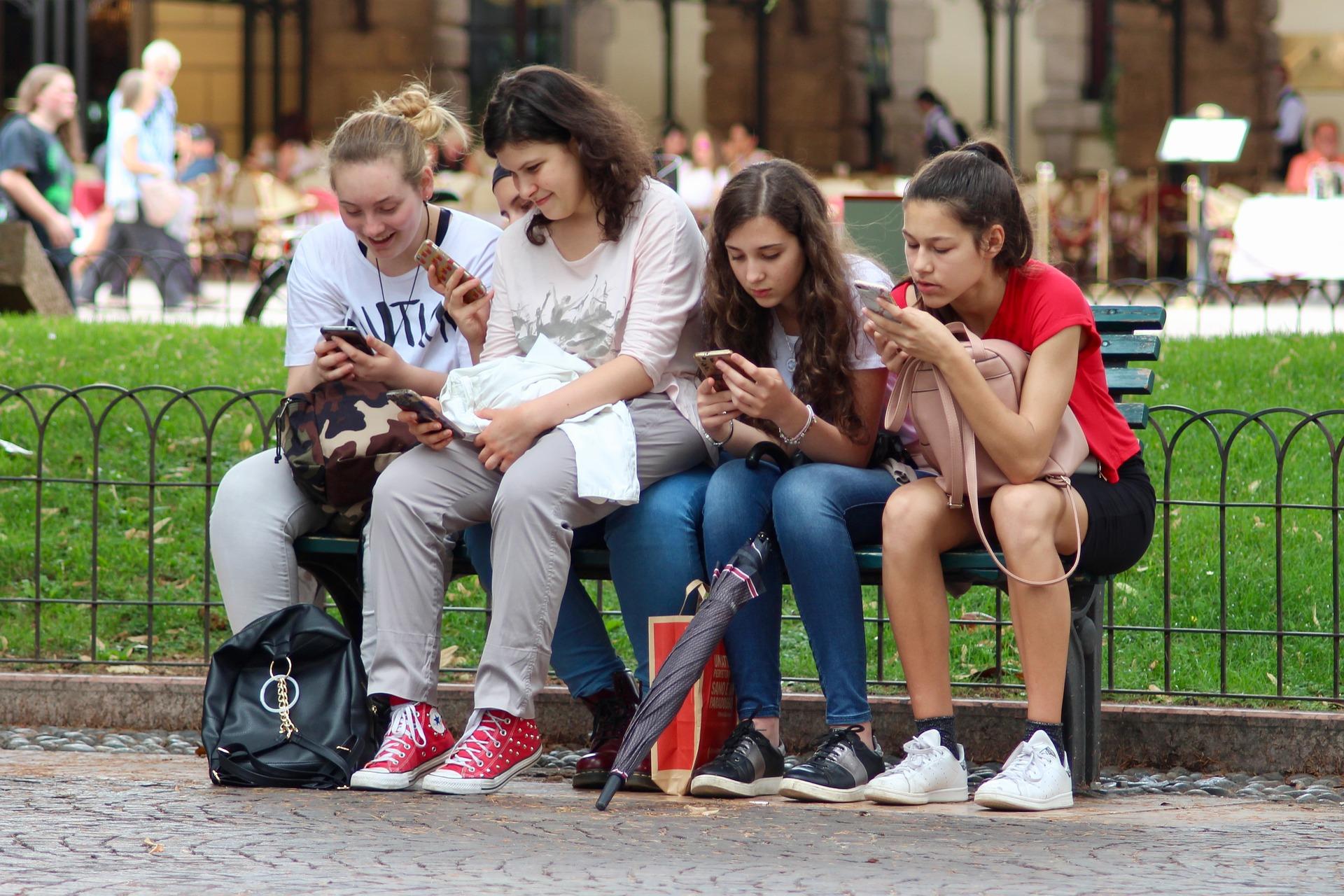
Even as the positioning and acquisition of words is faster than ever, given the cycle of news and media consumption we live in, it takes a while to decide which one really sticks forever. Language academic dictionary publishers now track this shift in real time. Cambridge Dictionary monitors 2.74 billion annual searches on its website to detect words. This variable must definitely influence their decisions about which slang has real staying power before adding it permanently.
References
- Retelling the Story of the Early BBC Through Jazz Broadcasting, 1922–1932 - Journal of Radio & Audio Media (2023). Available at: https://www.tandfonline.com/doi/full/10.1080/19376529.2023.2244473 (Accessed: July 2026).
- Meme - Oxford Reference, Oxford University Press (no date). Available at: https://www.oxfordreference.com/display/10.1093/acref/9780195120905.001.0001/acref-9780195120905-e-187 (Accessed: July 2026).
- New Word Suggestion: "Reem" - Collins Dictionary (no date). Available at: https://www.collinsdictionary.com/submission/89/reem (Accessed: July 2026).
- Gen-Z Slang Is Revolutionizing Work Jargon - Forbes (31-07-2024). Available at: https://www.forbes.com/sites/jackkelly/2024/07/31/gen-z-slang-at-work/ (Accessed: July 2026).
- 2025's Words of the Year, So Far - Time (01-12-2025). Available at: https://time.com/7334730/word-of-the-year-2025-cambridge-collins-dictionary-oxford-merriam/ (Accessed: July 2026).
Summarise with AI:
Did you like this article? Leave a rating!

 Loading...